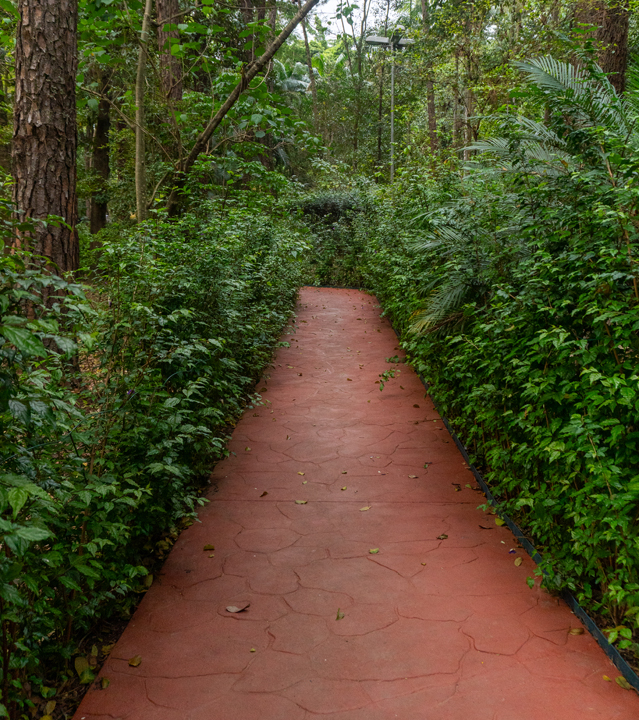
Come live the Paulinho Nogueira Way!
Experience being in the place that rescues the memory of the Park’s history and its visitors. Be enchanted and live this experience!


This path honors musician, composer and educator Paulinho Nogueira, a frequent visitor and devoted advocate of Água Branca Park.
Walk, observe, listen and connect with nature and the park’s history.
TAKE CARE OF THE PARK
• DO NOT LITTER.
• DO NOT PICK LEAVES, PLANTS OR FLOWERS.
• DO NOT FEED THE ANIMALS.
• DO NOT SMOKE IN THIS AREA.
MUSICIAN, COMPOSER AND INVENTOR
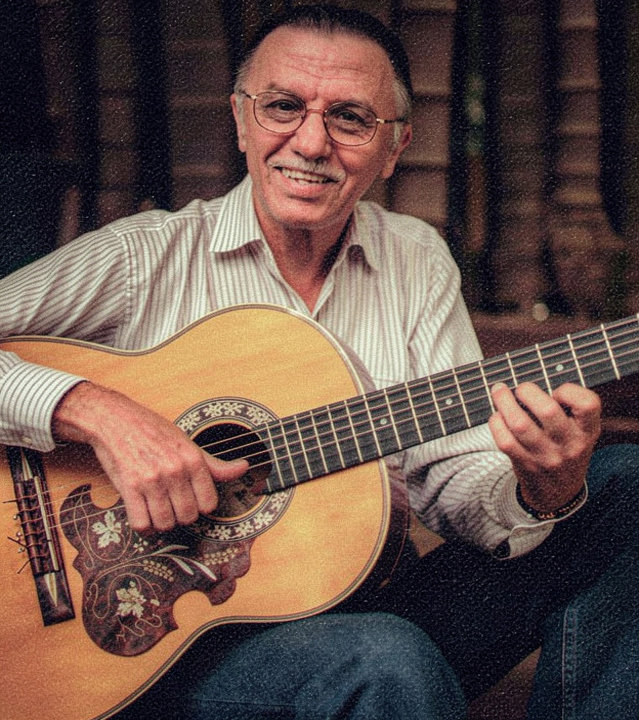
Paulinho Nogueira (1929-2003) was a guitarist and composer. He was part of the Bossa Nova movement, collaborated with leading figures in Brazilian music and taught Toquinho.
A HISTORY CONNECTED TO THE PARK
A regular visitor to Água Branca Park, Paulinho led a movement to protect it in the 1980s.
In 1983, he released the song “Parque da Água Branca,” celebrating the site’s natural heritage.
Years later, the tree-lined path he used to walk along was named in his honor.
DISCOVER THE FLORA: Native trees that are part of the park’s landscape and biodiversity.
OBSERVE THE FAUNA: Birds and other animals that live in and visit the park.
PROTECT THIS PLACE: Take care of nature so it can continue taking care of us.
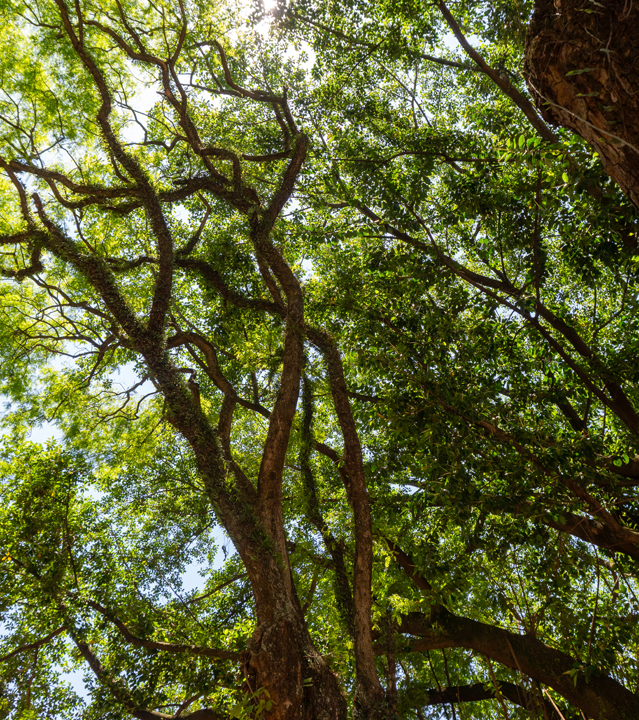
Caring for the trees means caring for the park and all the life that depends on it. Our technical team works every day to keep the park clean, healthy and safe for everyone.
PRUNING: We carry out specialist and safety pruning to keep trees healthy and visitors safe.
PLANTING: Trees are planted with authorization from the relevant authorities, promoting biodiversity and environmental balance.
CULTIVATION: We support tree growth through watering, fertilization and proper soil management.
CONSERVATION: We protect wildlife and plants, preserving natural habitats and promoting harmony between people and nature.
A team that cares: Água Branca Park’s technical team.
Work, knowledge and dedication to keep the park beautiful, green and full of life.
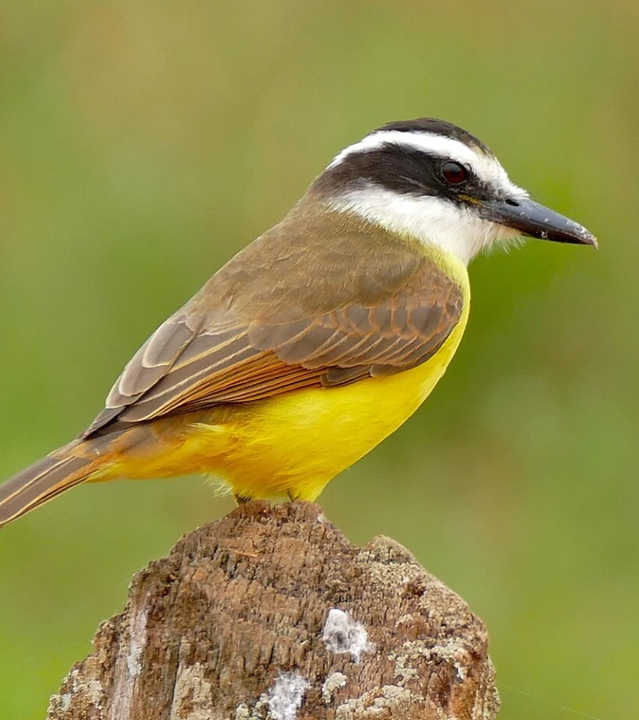
CHARACTERISTICS: A medium-sized bird commonly found in open areas and forest edges. Easy to locate by its loud, repetitive call: “bem-te-vi.”
DIET: Insects, small animals, fruit and seeds.
WHERE IT IS FOUND: In parks, gardens, backyards, fields and wooded areas.
FUN FACT: Its “bem-te-vi” call helps mark its territory and also serves as a warning to other animals. Listen and discover how it communicates with its surroundings!
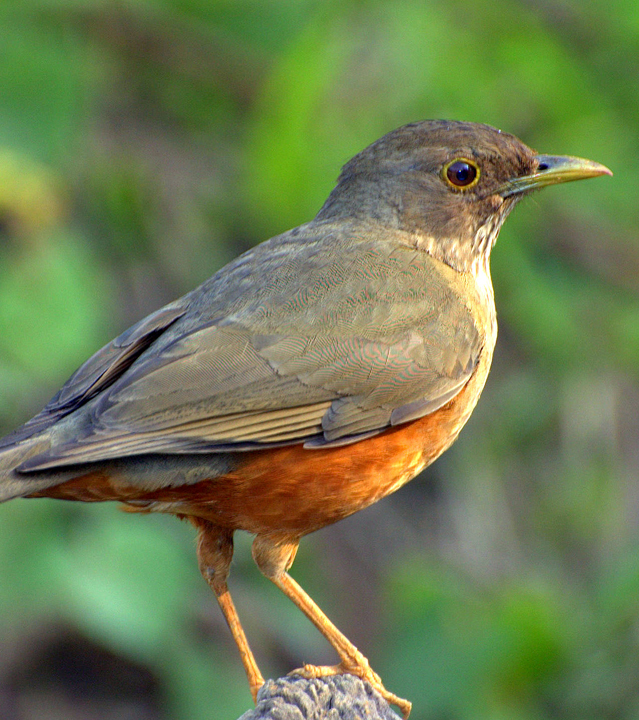
CHARACTERISTICS: A medium-sized bird with an orange belly, yellow eyes and a loud, melodious song.
DIET: Fruit, insects and small invertebrates.
WHERE IT IS FOUND: Common in parks, gardens and wooded areas.
FUN FACT: Its song resembles the sound of a flute and is often heard at dawn and in the late afternoon.
CHARACTERISTICS: A small primate native to the Atlantic Forest. It lives in groups and communicates through vocalizations and agile movements
among the trees.
DIET: Fruit, flowers, nectar, insects and tree sap.
WHERE IT IS FOUND: Wooded areas of Água Branca Park and throughout the Atlantic Forest.
IMPORTANT: OBSERVE, BUT DO NOT FEED.
Human food harms the animals’ health, alters their natural behavior and can put the entire group at risk.
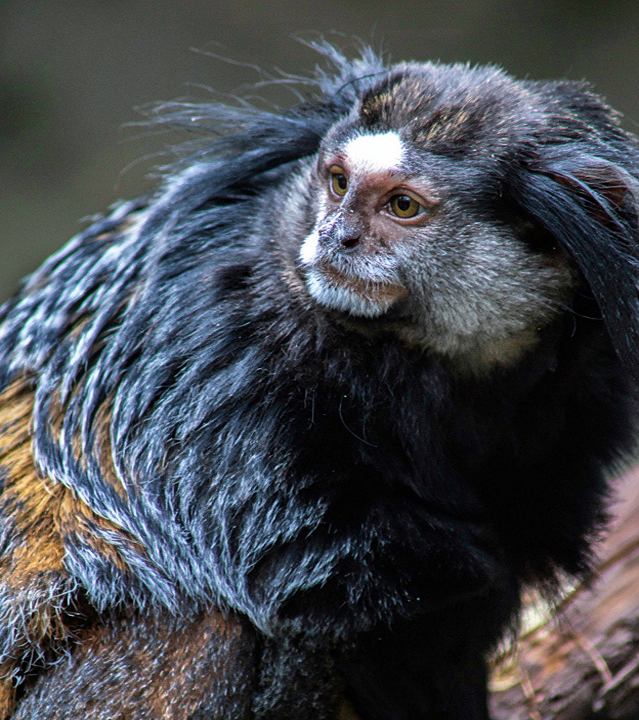
A symbol of the Atlantic Forest and one of the great guardians of Água Branca Park.
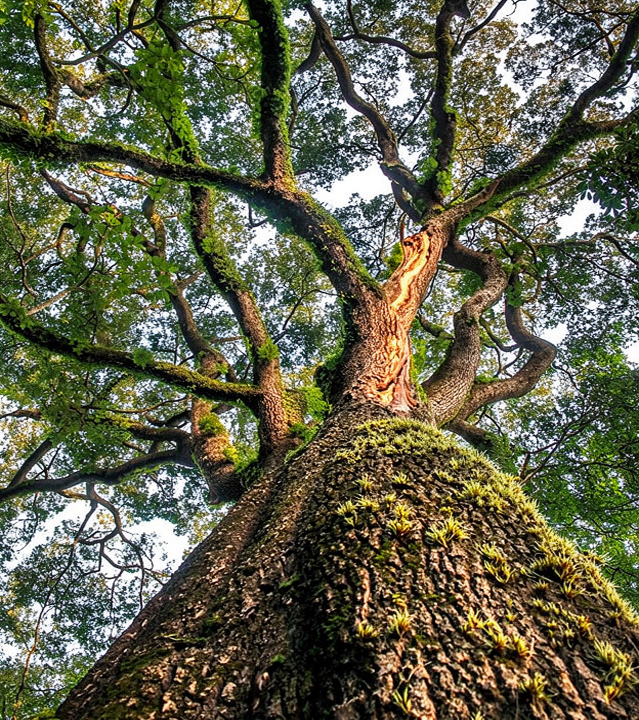
CHARACTERISTICS: A large native tree that can grow over 40 meters tall. It has a straight, cylindrical trunk and thick, sturdy bark.
ORIGIN: Native to Brazil, it occurs mainly in the Atlantic Forest, from Espírito Santo to Rio Grande do Sul.
FLOWERING: It blooms in August and November. Its flowers are small, pink and fragrant, attracting a variety of pollinators.
FUN FACTS: Its timber is prized and highly valued. It is an endangered species, making its protection essential.
TO PRESERVE IS TO KEEP STORIES ALIVE
The pink jequitibá holds memories, shelters life and connects us with the past so we can care for the future.
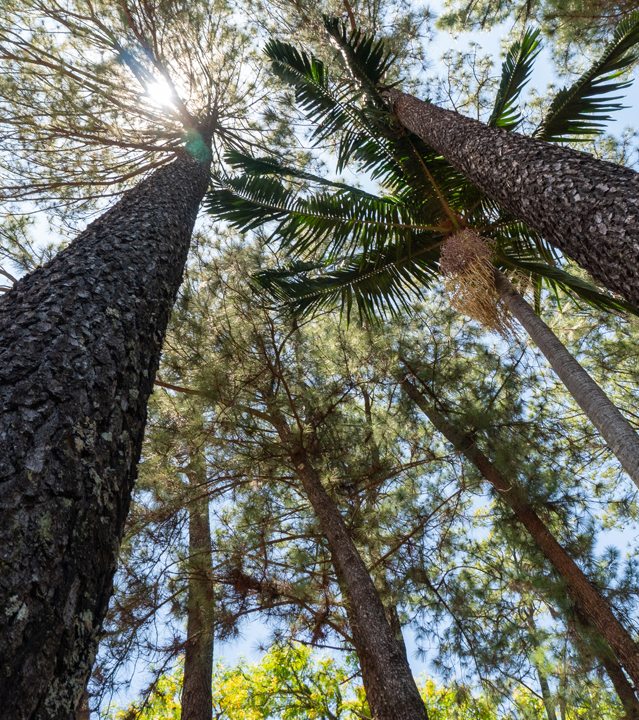
Large tree with thin leaves grouped in pairs. It grows fast and helps create shade.
CHARACTERISTICS: Long, thin leaves grouped in pairs. Straight trunk, thick and fissured bark.
ORIGIN: Native to the southeastern United States. Introduced in Brazil for reforestation and ornamentation.
FLOWERING: Flowers in winter and spring. The pine cones develop throughout the year and release winged seeds, dispersed by the wind.
FUN FACTS:
• It is one of the trees that contributes the most to oxygen production.
• Its seeds have “wings” that help with wind dispersal.
• Its resin is used as a natural defense against fungi and insects.
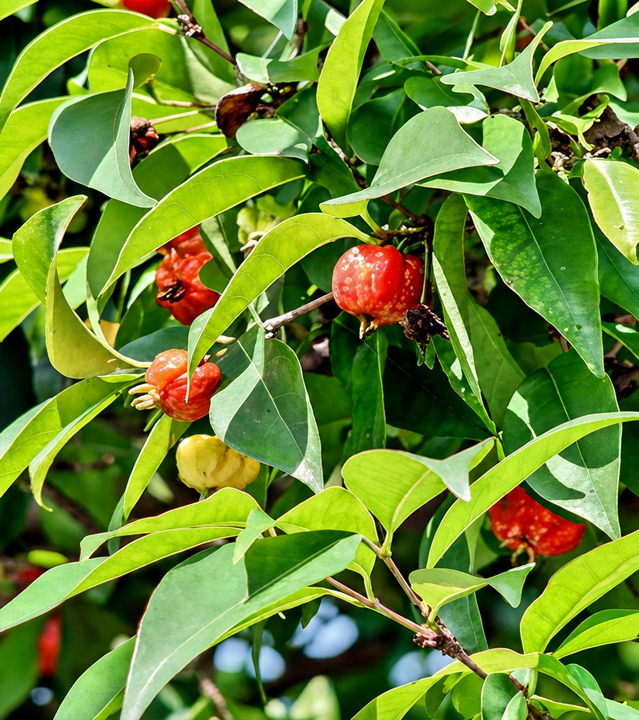
Native tree to Brazil, very present in the Atlantic Forest and here, at Água Branca Park, where it adds color and fragrance to the landscape.
CHARACTERISTICS: Medium-sized tree, dense canopy, and shiny leaves. Delicate white flowers that attract pollinators.
FRUITS: Small fruits, ranging from red to orange, with a sweet and sour taste, greatly enjoyed by birds, insects, and people too!
FLOWERING: Flowers mainly in spring, between September and November.
WHERE IT IS FOUND: It is common in parks, squares, gardens, and Atlantic Forest areas.
FUN FACTS:
• Its fruits are rich in vitamin C and antioxidants.
• It is essential for wildlife: it feeds birds such as thrushes and Great Kiskadees.
• It attracts bees and other pollinators, helping to maintain ecosystem balance.
Experience being in the place that rescues the memory of the Park’s history and its visitors. Be enchanted and live this experience!